Crown thinning in Shortlands
Professional tree care for local homes, gardens, and commercial spaces

When trees become too dense, the result is often more than just a crowded canopy. Light drops away from the garden, branches catch the wind too heavily, and the tree can start to feel out of balance. Crown thinning in Shortlands is a practical, skilled tree surgery service designed to reduce excess branch density while keeping the natural shape of the tree intact. For property owners in Shortlands, it is often the right solution when you want to improve airflow, let more daylight through, and reduce the strain on mature trees without making them look overly cut back.
Shortlands has a mix of character homes, leafy residential streets, well-kept gardens, and commercial properties that all benefit from careful tree management. Mature trees add value and beauty to the area, but they also need attention from time to time. Trees that are left unmanaged can begin to overshadow patios, lawns, driveways, and neighbouring properties. In some settings, they can also create practical issues such as blocked light to windows, damp areas under thick canopies, or branches rubbing against each other in strong winds.
If you are comparing options for tree work, crown thinning is often chosen because it improves the condition of the tree while keeping its overall structure natural. It is not about removing as much growth as possible. Instead, it is about making selective cuts in the right places so the canopy remains healthy, stable, and visually attractive. For many local customers, that balance is exactly what is needed.
What crown thinning actually means
Crown thinning is the selective removal of smaller branches throughout the crown of a tree. The goal is to reduce the density of the foliage and branch framework without changing the tree’s size or overall outline too much. A well-done thinning job keeps the tree looking full and natural, but less congested. It allows more sunlight to pass through and helps air move more freely around the branches.
This service is different from crown reduction, which focuses on reducing the height or spread of the canopy, and different again from crown lifting, which removes lower branches to improve clearance beneath the tree. Thinning is particularly useful when a tree has become heavy at the top, when the canopy feels too shaded, or when the branches are likely to be affected by wind because they are crowded together.
For property owners in Shortlands, this can make a noticeable difference to the garden. Lawns often receive better light, flower beds can thrive more easily, and areas around windows, conservatories, and rooflines can feel less enclosed. Done properly, thinning supports the tree rather than weakening it, which is why it should always be carried out by someone with the right knowledge of species, structure, and growth habits.
Why homeowners in Shortlands request crown thinning
Many people first start looking into crown thinning because they notice their tree has become too dominant in the garden. Perhaps the canopy is blocking afternoon sunlight, or perhaps the branches are moving more than they used to in windy weather. In some cases, the concern is about visual balance: the tree may be healthy, but it is beginning to overwhelm the space around it. Shortlands crown thinning services are often requested by homeowners who want to keep mature trees but make them more manageable for everyday living.
The local housing mix is another reason this service is popular. Shortlands includes period homes, semi-detached properties, detached houses, and homes with compact rear gardens. In these settings, trees can quickly affect nearby structures, shared boundaries, and neighbouring gardens. A canopy that is too dense may cast too much shade over patios or vegetable beds, while branches growing close together can create a noisy rustling effect, trap debris, and make the tree look untidy.
Commercial customers also make use of crown thinning in Shortlands. Schools, offices, care premises, shops with frontage planting, and managed grounds all benefit from trees that look tidy and remain safe. The service can help maintain an attractive exterior while reducing the risk of wind damage and allowing the landscape to stay healthier overall. It is a sensible option for anyone who wants long-term tree care rather than a quick cosmetic fix.
Benefits of crown thinning
Practical improvements you can notice

One of the main benefits of crown thinning in Shortlands is improved light penetration. This can make a huge difference to gardens that feel enclosed or underused. More daylight reaching the ground can support grass, planting, and general enjoyment of the outdoor space. If you use your garden for entertaining, relaxing, or family time, the difference can be especially noticeable in the warmer months.
Another important benefit is better air movement through the canopy. When branches are too dense, moisture can linger for longer, and the tree may be more vulnerable to certain issues that come with poor airflow. Thinning helps reduce friction between branches during windy conditions too. By carefully removing selected smaller branches, the canopy can move more naturally and place less stress on the tree structure.
The visual impact should not be overlooked. A tree that is thinned correctly often looks cleaner and more elegant, with its natural shape preserved. Unlike heavy cutting, which can leave a tree looking harsh or imbalanced, selective thinning keeps the tree attractive while making it less overpowering. For many Shortlands property owners, that combination of appearance and practicality is exactly what they want.
Common reasons customers choose this service
- To let more sunlight into the garden or home
- To improve airflow through a dense canopy
- To reduce wind resistance in exposed spots
- To keep mature trees attractive but manageable
- To help reduce branch rubbing and internal crowding
- To maintain a healthier environment around the tree
What is included in a crown thinning service
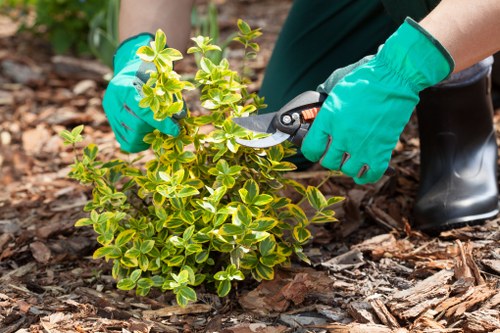
When you book a tree care team for crown thinning, the work usually begins with an assessment of the tree’s condition, species, size, and location. This is important because not every tree should be thinned in the same way. A careful approach considers how the tree grows, which branches can be removed without harming its form, and whether there are any concerns about decay, previous pruning, or structural weakness. In Shortlands, where trees may stand close to houses, fences, driveways, and overhead lines, this planning stage matters just as much as the cutting itself.
The service normally includes selective pruning of smaller branches within the canopy, with the aim of maintaining a balanced spread of foliage. The arborist will avoid removing too much at once, because over-thinning can leave the tree stressed or visually sparse. The best result is subtle: the tree looks lighter and healthier, but still recognisably the same tree.
Clean-up is also an important part of the job. Customers often want the area left tidy, particularly in residential streets where access is limited and neighbours are close by. Depending on the scope of the work, this may include gathering branches, clearing cuttings from paths and lawns, and making sure the site is left safe and presentable. If access is difficult, this is another reason to choose a local team that understands the practicalities of working in the area.
Typical stages of the work
- Initial inspection and discussion of the tree’s condition
- Selection of branches for careful removal
- Controlled thinning to the appropriate level
- Final shaping and balance checks
- Tidying the site and removing debris where agreed
How the service works from first enquiry to completion
A simple process for local customers
Most customers want a tree service that feels straightforward. Crown thinning in Shortlands is usually arranged in a clear sequence so you know what to expect before the work begins. First comes the initial enquiry, where you explain the tree’s location, size, and the issue you want to address. Perhaps the canopy is too thick, perhaps the tree is dropping too much shade, or perhaps you have noticed that the branches are beginning to crowd the space more than before.
Next is the assessment. A professional will look at the tree in person, considering its health, shape, surrounding structures, and the amount of thinning likely to be appropriate. This stage is especially useful in local gardens where trees may have to be worked around sheds, rear access paths, boundary fences, or neighbouring property lines. A careful inspection helps avoid unnecessary damage and ensures the work is proportionate to the tree’s condition.
Once the approach is agreed, the work is scheduled and carried out with the right equipment. The crew will aim to work efficiently and safely, making sure the tree is thinned in a controlled way. After the pruning, the canopy is checked for balance and overall appearance. Then the site is cleared, and you are left with a tree that has more light, better airflow, and a less crowded form. For many customers, this is the moment when the garden immediately feels bigger and more usable.
Why careful technique matters
Tree pruning is not something that should be rushed. If too many branches are removed, the tree may respond with weak regrowth or become visually patchy. If branches are cut in the wrong places, it may leave wounds that take longer to close. A skilled tree surgeon knows how to thin a crown without undermining the tree’s health or natural character. That expertise is valuable in an area like Shortlands, where many trees are mature and have been growing for years in close proximity to buildings and gardens.
Local property types and access challenges in Shortlands
Shortlands is well known for its leafy residential feel, established gardens, and properties that often feature mature planting. That is part of its appeal, but it can also make tree work more demanding. Access is not always straightforward. Narrow side returns, shared driveways, limited parking, and nearby boundaries can make it difficult to bring in equipment or carry out pruning without planning ahead. Choosing a local team matters because they are more likely to understand how to work efficiently in these conditions.
Some properties in the area have large garden trees that have grown steadily over many years. Others have smaller ornamental trees that have become dense enough to block light from rooms or patios. Commercial sites may need a tidy and discreet service that avoids disruption during business hours. In each case, the tree care approach should match the setting. The goal is not simply to cut back growth, but to make the tree more suitable for the property and the way the space is used.
Local knowledge also helps with practical considerations such as access to rear gardens, protecting lawns and paved areas, and managing waste removal on streets where parking space is limited. A team familiar with Shortlands and nearby parts of Bromley can usually plan more effectively around these issues, which saves time and reduces inconvenience for the customer.
When crown thinning is the right choice
Signs that your tree may benefit
Not every tree needs thinning, but there are several common signs that it might be the right option. If the canopy is dense enough that very little daylight reaches beneath it, thinning may help. If the branches are starting to feel crowded or if you can see them rubbing against one another, that is another clue. Trees that catch the wind heavily, especially in open gardens or exposed corners, may also benefit from a lighter canopy.
Customers often ask whether thinning is appropriate for older trees. In many cases, it is. Mature trees can often be improved through selective pruning, provided the work is done with care and the tree is in suitable condition. A healthy tree with a dense crown may respond well to thinning, especially if the aim is to improve light and reduce wind load without changing the profile too much.
If you are unsure, an inspection is usually the best starting point. That way, the tree can be assessed properly rather than cut according to guesswork. In Shortlands, where trees are often part of long-established gardens, this matters because each tree may have a different history, form, and relationship with the surrounding space.
Thinning may be suitable if you want to:
- Reduce shade without making the tree smaller overall
- Improve the look of a congested canopy
- Lower wind resistance on a mature tree
- Support better conditions for lawns and planting
- Make a tree more manageable near a home or business premises
Pricing factors and what affects the cost
Customers often want to understand what influences the cost of crown thinning in Shortlands. While exact prices vary from site to site, there are several factors that usually shape the quote. The size of the tree is one of the biggest considerations, because larger trees generally require more time, skill, and equipment. The species matters too, as some trees are denser or more complicated to prune than others.
Access is another key factor. A tree that can be reached easily from a driveway is generally simpler to work on than one tucked into a rear garden with narrow access and limited space for debris removal. The amount of thinning required also affects the workload. Light thinning may be relatively straightforward, while more detailed canopy work can take longer and require closer attention to balance and shape.
Other considerations can include the condition of the tree, whether any deadwood needs removing as part of the job, and whether the site needs additional care because of paving, planting, or nearby structures. A sensible quote should reflect the specific tree and the practicalities of the location. For local customers, that means clear communication matters. A proper assessment helps ensure the work is suitable, efficient, and tailored to the property.
Factors that commonly influence a quotation
- Tree height and canopy spread
- Species and branch density
- Access to the tree and space for equipment
- Whether the site is residential or commercial
- Waste removal and tidy-up requirements
- Any extra tree care needed during the visit
Preparation checklist for customers
How to get ready for the visit
Preparing properly can help the work go smoothly and reduce disruption on the day. You do not need to do anything complicated, but a few simple steps can make a big difference. If the tree is in a rear garden, make sure access gates are unlocked and that any obstacles such as garden furniture, toys, or vehicles are moved if possible. This helps the crew get to work quickly and safely.
It is also worth considering parking and access in advance, especially in Shortlands where space can be limited on some streets. If the tree team needs to bring equipment close to the property, knowing where they can stop or unload can save time. For commercial sites, it can help to let staff know the work is taking place so they can avoid the area while pruning is underway.
Before the visit, it is useful to think about your priorities. Do you mainly want more light? Are you concerned about wind movement? Do you want the tree to look neater without losing its natural appearance? Sharing these details helps the team decide whether crown thinning is the best option and how much should be removed.
Simple preparation steps
- Clear access routes where possible
- Move fragile garden items away from the work area
- Note any parking or access restrictions
- Tell neighbours if branches overhang boundaries, if appropriate
- Explain what you want to improve about the tree
Why choose a local company for tree care in Shortlands
There are real advantages to working with a local tree surgery team. They are more likely to understand the style of properties in the area, the typical access issues, and the expectations of customers who want work carried out neatly and with as little disruption as possible. Local knowledge is especially useful when dealing with mature trees close to houses, garden walls, side paths, and shared boundaries.
Choosing a nearby company also makes communication easier. It is simpler to arrange an inspection, discuss the tree in person, and make practical plans around your schedule. For customers in and around Shortlands, this can be particularly helpful when dealing with seasonal growth, urgent concerns about crowded branches, or time-sensitive work before a family event or business use of the outdoor space.
There is also the reassurance of working with a team that understands the local environment. Trees in suburban Bromley settings can be affected by wind exposure, garden size, soil conditions, and neighbouring planting. A local provider is more likely to recognise those patterns and recommend the most appropriate pruning method. That is why many property owners prefer a company that regularly works in Shortlands rather than a team that is unfamiliar with the area.
Areas covered around Shortlands
Crown thinning services are often requested not only in Shortlands itself, but also in nearby parts of Bromley and the surrounding neighbourhoods. This includes residential streets and local commercial premises where trees have become too dense or need careful maintenance. If you manage a garden, school ground, business frontage, or private property in the wider area, a local arborist can usually assess whether thinning is the right solution.
Nearby areas may include parts of Bromley, Beckenham, and other close-by South London locations where mature trees are common and property layouts vary from compact plots to larger landscaped gardens. Because the service is carried out locally, it is often easier to arrange work that suits the specific setting and access conditions.
If you are unsure whether your property falls within the usual service area, it is still worth making an enquiry. Local teams often cover a broader nearby radius than customers expect, particularly when the work involves routine tree care rather than emergency call-outs. Book your service now or request a free quote if you want to discuss a tree that may need thinning.
Frequently asked questions
Common questions from local customers
Will crown thinning make my tree look bare?
Not when it is carried out properly. The aim is to remove selected smaller branches so the crown is less dense, not stripped. A good result keeps the tree looking full and natural while allowing more light and air through.
Is crown thinning suitable for all trees?
Not always. Some species respond better than others, and the condition of the tree matters. A professional assessment is the best way to decide whether thinning is appropriate or whether a different pruning method would be better.
How much of the crown should be removed?
That depends on the tree, its location, and the result you want. The goal is usually a moderate reduction in density rather than a dramatic change. Over-thinning can create stress, so restraint is important.
Can crown thinning help with wind exposure?
Yes, in many cases it can. By reducing dense growth and allowing air to move through the canopy more easily, the tree may place less pressure on its branches during breezy conditions.
Do I need planning permission?
This depends on the tree’s status and local protections. If a tree is covered by a preservation order or lies within a conservation area, extra checks may be needed before work begins. A professional tree team can advise you on the usual process.
How often should thinning be done?
There is no single answer. Some trees may only need occasional attention, while others in active growth may benefit from periodic pruning. The tree’s species, age, and position all influence timing.
Can you work in small gardens?
Yes, careful tree surgery can often be carried out in compact spaces, provided access is planned properly. This is especially relevant in Shortlands, where many gardens and side passages are not especially wide.
Book crown thinning in Shortlands
If your tree is blocking light, feeling too dense, or starting to overwhelm the garden, crown thinning may be the right way to improve it. The service offers a balanced approach that keeps the tree healthy-looking and attractive while making it more manageable for everyday use. For Shortlands homeowners, landlords, business owners, and property managers, it is a practical way to care for mature trees without losing their natural character.
Whether you are dealing with a large garden tree, a boundary tree shared with a neighbour, or a canopy that has simply become too heavy over time, a local arborist can assess the situation and recommend the best approach. The right pruning can make a real difference to how your property feels, how much daylight reaches the ground, and how safely the tree performs through the seasons.
Contact us today to discuss your tree, request a free quote, or arrange a visit. If you are ready to improve your garden or manage a dense canopy more effectively, book your service now and take the first step toward a lighter, healthier tree.