Tree pruning in Shortlands
If you are looking for tree pruning in Shortlands, you are likely dealing with more than just a few overgrown branches. You may want to improve light in the garden, reduce risk near a driveway or roofline, keep a mature tree healthy, or simply make the outside of your property look tidier and better cared for. In a place like Shortlands, where residential streets, established gardens, and a mix of detached homes, semi-detached houses, and local business premises all sit close together, careful pruning is often the difference between a tree that becomes an asset and one that starts to cause problems.
Professional pruning is not about cutting back randomly. It is about shaping growth sensibly, supporting the long-term condition of the tree, and keeping the surrounding property safe and manageable. Whether you have ornamental trees near a front path, larger boundary trees affecting neighbouring gardens, or mature specimens that need selective crown work, a local service can make the process straightforward and stress-free. Book the right tree care at the right time and you can protect both the tree and the space around it.
Our approach to tree pruning is practical, careful, and tailored to the needs of Shortlands property owners. We understand that many local trees sit close to fences, paved areas, sheds, windows, overhead lines, or access routes. That means the work needs to be planned properly, completed cleanly, and carried out with attention to detail from start to finish. If you are thinking about trimming back a tree, improving shape, or restoring balance after years of unchecked growth, this page explains what to expect and how we help.
Why tree pruning matters for Shortlands properties

Tree pruning plays a vital role in maintaining healthy trees and well-kept outdoor spaces. In Shortlands, many properties have established gardens with mature planting, which is part of the area’s appeal. However, mature growth can also create practical concerns. Branches may block natural light into a conservatory, scrape against a roof, overhang a neighbour’s boundary, or become too heavy for the structure of the tree itself. Pruning addresses these issues before they become expensive or disruptive.
A well-pruned tree can also improve the appearance of a garden instantly. It opens space, reveals more of the property, and gives the whole area a more deliberate and cared-for look. For homeowners who are preparing to sell, planning landscaping work, or simply wanting a smarter outdoor environment, selective pruning can make a noticeable difference without removing the tree entirely.
There are also safety reasons to maintain trees properly. Heavy limbs, dead wood, or weakly attached branches can be a hazard during windy weather. In places with busy drives, shared access ways, or narrow side returns, a poorly maintained tree can create avoidable risks. Tree pruning in Shortlands helps reduce those risks while preserving the tree wherever possible.
What tree pruning can help with
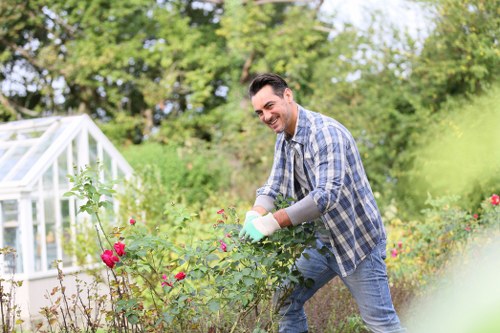
Not every tree needs the same type of attention. Some need a light tidy-up, while others need more structured work to correct growth or improve long-term stability. The right pruning method depends on the species, age, condition, location, and the outcome you want to achieve. A sensible pruning plan balances tree health, appearance, and practicality.
Common reasons customers ask for pruning services include:
- Reducing branches that overhang roofs, paths, or driveways
- Improving light levels in gardens or ground-floor rooms
- Removing dead, damaged, or diseased wood
- Shaping ornamental trees and shrubs for a cleaner appearance
- Managing crown spread in tight residential spaces
- Preventing branches from touching fences, sheds, or neighbouring property
- Reducing sail area before periods of poor weather
- Encouraging healthy structure in younger trees
In short, pruning is about control without unnecessary loss. Instead of taking too much off at once, a qualified tree team will look at where cuts should be made and how the tree is likely to respond over time. That approach helps avoid stress, decay, and the uneven regrowth that can happen after rushed or heavy-handed cutting.
Tree pruning services tailored to Shortlands homes and businesses
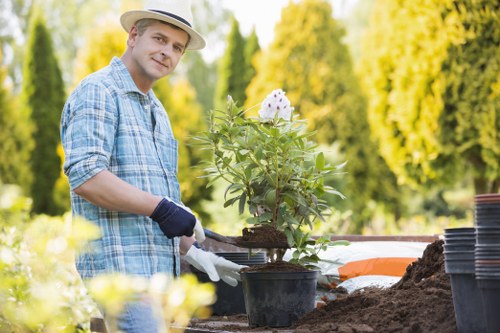
Shortlands has a mix of property types, and each one brings its own challenges. A family home with a rear garden may need crown thinning so that more daylight reaches the lawn and patio. A front garden tree might need crown lifting to create clearance for pedestrians, vehicles, or visibility from the road. Commercial premises may need regular maintenance to keep entrances tidy, reduce obstruction, and present a professional appearance.
We work with residential and commercial customers, adapting our pruning methods to suit the site. For private homes, the focus is often on appearance, safety, and garden enjoyment. For businesses, the emphasis may be on access, presentation, customer safety, and minimising disruption while work is carried out. Either way, the aim is the same: a healthy tree that fits the space it occupies.
Because Shortlands includes roads where parking can be limited and access may be awkward, local knowledge matters. Some gardens are reached through side gates, shared walkways, or narrow driveways. Larger equipment may need careful positioning, and waste removal must be planned so that neighbours and passers-by are not inconvenienced. A local team that understands these conditions can complete the job efficiently and with less disruption.
How our tree pruning process works
Customers often want to know what actually happens when they book a pruning service. The process should be clear, tidy, and well organised. Good preparation and communication are just as important as the cutting itself. When you arrange tree pruning, you should expect a straightforward, professional process designed around your tree and your property.
Although every site is different, the work usually follows a pattern that helps ensure the right result. That includes assessing the tree, discussing the outcome you want, identifying risks and constraints, and deciding the most suitable pruning approach. This is especially useful when several trees are involved or when the tree is near structures or neighbouring boundaries.
Tree pruning in Shortlands is often carried out with a balance of practical care and visual judgement. The aim is not simply to remove growth, but to improve the tree’s condition and the usability of the surrounding space. Thoughtful pruning supports healthy regrowth, helps maintain structural balance, and gives you a much neater finish than a quick cut-back.
Typical stages of the service
- Initial inspection of the tree and its surroundings
- Discussion of concerns, goals, and access conditions
- Selection of the most suitable pruning method
- Careful cutting using appropriate tools and safe working methods
- Collection and removal of branches and green waste
- Final tidy-up so the area is left presentable
The exact work carried out depends on the tree and the outcome you need. Some trees benefit from selective crown thinning to let more wind and light through. Others need crown lifting to create clearance beneath the canopy. In some cases, deadwood removal is enough to improve safety and appearance. When a tree has been neglected for several years, more corrective pruning may be needed, but this should still be done with care and restraint.
Common pruning methods explained

Different trees need different techniques, and using the wrong method can cause problems later. That is why it is important to choose a service that understands both the tree species and the site conditions. Below are some of the more common approaches used in tree pruning.
Crown thinning
Crown thinning removes selected smaller branches throughout the canopy to improve light penetration and air movement while keeping the tree’s overall shape. This is often useful in gardens where dense foliage is making an area feel dark or enclosed. It can also help reduce wind resistance without dramatically altering the outline of the tree.
Crown lifting
Crown lifting removes lower branches to create clearance beneath the canopy. It can be particularly helpful where branches are interfering with pedestrian access, garden use, driveways, or sightlines. In Shortlands, where properties may have front gardens close to the pavement, this can be a practical way to keep things neat and accessible.
Crown reduction
Crown reduction reduces the overall size of the canopy by shortening selected branches back to suitable growth points. This method is often chosen when a tree has outgrown its space or is beginning to dominate a smaller garden. It should be done carefully to avoid leaving the tree looking uneven or stressed.
Deadwood removal
Deadwood removal focuses on cutting out dead, broken, or dying branches. This improves appearance and reduces the chance of falling debris. It is often part of regular maintenance for mature trees, especially those near paths, parking areas, or places where people spend time.
Formative pruning
For younger trees, formative pruning helps create a strong structure early on. This can prevent future issues with weak branching, rubbing stems, or awkward growth patterns. It is an investment in the tree’s future shape and stability.
What is included in a professional pruning job

When you arrange pruning, you should know exactly what the service covers. A good tree care visit should be more than a few cuts and a quick departure. It should be organised, tidy, and considerate of your property and surroundings. The details may vary depending on the tree, but the following elements are commonly included.
Typical inclusions:
- Assessment of the tree and work required
- Agreement on the pruning objective before work begins
- Use of suitable tools and safe working methods
- Selective pruning to suit the tree’s condition
- Sectional dismantling where needed for safety or access
- Removal of cut branches and green waste
- Basic site tidy-up at the end of the job
In some cases, customers also ask for advice on aftercare, future maintenance intervals, or whether a tree is better suited to light seasonal pruning rather than more substantial work. That kind of practical input is especially helpful if you are managing several trees or balancing tree care with other garden improvements.
If you are comparing providers for tree pruning in Shortlands, it is worth asking how they handle waste, what level of finish to expect, and how they plan around limited access or neighbouring properties. These details can make a big difference to the experience, especially on busy residential streets or compact sites.
Why local knowledge matters in Shortlands
There are plenty of reasons to choose a local tree team rather than someone unfamiliar with the area. Local work is rarely just about the tree itself. It is about driveways, road access, neighbouring boundaries, gardens with restricted entry, and the practical realities of getting the job done cleanly and safely. A local company is more likely to understand those day-to-day conditions from the start.
Shortlands properties can include mature gardens, roadside trees, and spaces that have been landscaped over many years. That can mean pruning has to be planned around old planting, established roots, shared access, and boundary concerns. A local service is more likely to know how to approach these situations without unnecessary disruption.
This matters for both homeowners and businesses. Residential customers want minimal mess and a neat finish. Commercial customers want work completed efficiently and with as little interruption as possible. A local team used to working in the area will typically be better prepared for parking, unloading, and site layout issues that can slow down less experienced crews.
Shortlands, neighbouring areas, and typical nearby work patterns
Tree pruning requests often come from Shortlands itself as well as the surrounding Bromley area and nearby residential districts. Properties in nearby neighbourhoods may share similar tree issues: overgrown boundary lines, mature gardens that need light restored, or roadside trees that have become too broad for the available space. If you are in a nearby area and need the same kind of care, a local service can often help with the same level of attention and planning.
Because many requests are tied to the specific layout of a street or garden, the value of local experience increases when access is tight. Work may require careful positioning of tools and waste, consideration for neighbouring homes, and a tidy approach that avoids damage to lawns, borders, paving, or fencing.
Preparing for your tree pruning visit
A little preparation can help the work go more smoothly and reduce the chance of delays. You do not need to do a great deal, but a few simple steps can make a noticeable difference, especially where access is limited or where the tree sits close to parked vehicles, sheds, or garden furniture.
Preparation checklist:
- Move cars away from the work area where possible
- Clear garden furniture, pots, toys, and fragile items nearby
- Unlock side gates or provide any necessary access arrangements
- Let neighbours know if branches overhang shared boundaries
- Keep pets and children away from the work zone
- Identify any fragile features such as greenhouses, ornaments, or cable runs
- Raise any concerns about noise, timing, or access before the work begins
For commercial properties, it can also help to plan pruning around opening hours or deliveries. If branches affect customer access, signage, or visibility, a short conversation beforehand can help the work proceed with less disruption. The more clearly the site is prepared, the easier it is for the tree team to complete the job efficiently.
Pricing factors for tree pruning
Every tree is different, so costs are influenced by several practical factors rather than by the tree alone. It is better to think in terms of the work involved, the site conditions, and the amount of waste that needs to be removed. A sensible quote should reflect the job properly without hidden surprises.
Common factors that affect pricing include:
- The size, height, and spread of the tree
- The type of pruning required
- How much material must be cut and removed
- Access to the tree and available parking
- Whether specialist equipment is needed
- How close the tree is to buildings, fences, or utilities
- The level of cleanup and waste disposal required
Trees in compact gardens can sometimes take longer to work on than trees in open spaces because access is more restricted and sections may need to be carefully lowered rather than simply cut and cleared. Likewise, a small tree with difficult access may involve more planning than a larger tree in an open lawn. That is why a site-specific quote is usually the fairest way to price the work.
If you are arranging tree pruning in Shortlands, request a quote that takes into account the exact location and the type of pruning you want. That gives you a more accurate picture of the job and helps avoid rushed decisions. Request a free quote when you are ready to compare options and book the right service for your property.
How often should trees be pruned?
The right frequency depends on the species, age, and condition of the tree, as well as where it grows. Some trees benefit from light pruning every few years, while others may need more regular maintenance if they are in a prominent or confined position. There is no single schedule that suits every tree.
Younger trees may need formative attention to help them develop a strong structure. Mature trees often require maintenance pruning at wider intervals, particularly if they are already well shaped. Trees near buildings, roads, or gardens used heavily by children or pets may need more frequent checks so that small problems do not become larger ones.
A good rule is to assess the tree seasonally or after periods of stormy weather. If you notice dead branches, heavy lean, rubbing limbs, or overgrowth that is affecting the property, it may be time to arrange pruning sooner rather than later. Prompt attention often means a simpler job and better long-term results.
Signs your tree may need attention soon
It is not always obvious when a tree should be pruned, especially if it has been in the garden for many years. However, some signs suggest that an inspection or maintenance visit would be sensible.
- Branches are touching roofs, windows, or guttering
- The canopy has become too dense for the amount of light you want
- Deadwood is visible in the crown
- Lower branches are blocking walkways or access
- The tree looks uneven, top-heavy, or badly shaped
- There is rubbing between branches or signs of damage
- Neighbours have raised concerns about overhang
- The tree has not been maintained for several years
If any of these sound familiar, a professional assessment can help you decide whether light pruning, crown work, or more targeted maintenance is the right next step. It is often easier to solve a small issue early than to wait until branches are causing damage or nuisance.
Why professional pruning is better than cutting back too much
It can be tempting to trim a tree aggressively in the hope that it will stay tidy for longer. In practice, over-pruning can do more harm than good. Removing too much canopy can weaken the tree, expose it to stress, and encourage poorly balanced regrowth. It can also leave the tree looking unnatural and reduce its contribution to the garden.
A careful pruning approach keeps the tree’s shape in mind while addressing the problem areas. That means selective cuts, sensible reduction, and attention to branch structure. This is particularly important for mature or ornamental trees where appearance matters as much as function. Good pruning protects the long-term character of the tree rather than simply shortening it.
Professional tree care also reduces risk during the work itself. Trees close to roofs, garages, greenhouses, or boundaries need careful handling. The right tools and working methods help ensure that the job is completed cleanly, with less chance of damage to property or unnecessary disturbance to the garden.
Tree pruning for safety, light, and curb appeal
Many customers first enquire because a tree is becoming a nuisance, but the benefits of pruning go beyond solving a problem. The right work can improve daylight, make a garden more usable, and enhance the appearance of the property from the street. That is why pruning is often part of wider garden maintenance and property improvement plans.
For homeowners, better light can make patios feel more inviting and rooms feel less enclosed. For businesses, improved visibility can make entrances more welcoming and neat. For both, a well-maintained tree sends a clear message that the property is looked after. That matters in a place where gardens and streetscape contribute to the character of the area.
When done properly, tree pruning can achieve all of this without removing the tree or spoiling its natural form. It is a practical service with visual, safety, and environmental benefits all in one. If you want those benefits without the hassle, book your service now and get the tree back under control.
Frequently asked questions
Can you prune a tree any time of year?
It depends on the tree species and the reason for the work. Some trees can be pruned more or less year-round, while others are best handled at specific times to reduce stress or avoid affecting flowering and growth. A professional assessment will help determine the best timing.
Will pruning harm my tree?
Correct pruning should support the tree’s health and structure. Problems usually arise when too much is removed or when cuts are made in the wrong places. That is why careful, selective work is important.
Do I need to be home during the work?
That depends on access arrangements and what has been agreed in advance. Some customers prefer to be present at the start to confirm the scope of work, while others arrange access beforehand and return once the job is finished.
What happens to the branches and waste?
In most cases, branches and green waste are collected and removed as part of the service. If you would like to keep logs, mulch material, or smaller branches for your own use, this should be discussed before the work begins.
Can pruning help if a tree is blocking light?
Yes. Crown thinning, crown lifting, or a carefully considered reduction can improve light levels considerably while keeping the tree healthy and attractive.
What if my tree is near a fence or boundary?
Trees close to boundaries need careful planning so that work is done safely and respectfully. Good communication and precise pruning are especially important where neighbouring gardens are involved.
Choosing a local team for the job
When choosing someone for tree pruning, it helps to look for a company that understands local property layouts, works neatly, and is comfortable handling different pruning needs. A local team should be able to explain the method, discuss likely outcomes, and give practical advice about care after the work is done. The best service is one that leaves you feeling informed, not rushed.
Local experience is especially useful in Shortlands because the properties often require a careful balance of access, appearance, and neighbourly consideration. Whether you have a single front garden tree or several mature trees along a boundary, it helps to work with people who know how to manage space efficiently. Contact us today if you want a straightforward pruning job handled with care and professionalism.
For customers ready to take action, the next step is simple: arrange an assessment, discuss the outcome you want, and request a quote based on the actual tree and site conditions. That way, you get a service that is relevant to your property rather than a one-size-fits-all approach.
Areas covered
Tree pruning services are available throughout Shortlands and the surrounding local area. Work is commonly carried out for homes, gardens, shared access spaces, and business premises in nearby residential and commercial neighbourhoods. If you are unsure whether your property falls within the service area, it is best to enquire and discuss the location, access, and type of work required.
Whether the job involves a mature boundary tree, a decorative garden tree, or general maintenance to keep things neat and safe, the service can be adapted to suit the site. Local customers often appreciate the ability to arrange work without complicated planning or long delays, especially when a tree issue is affecting daily life.
Ready to arrange tree pruning in Shortlands?
If your trees are becoming overgrown, blocking light, touching structures, or simply in need of careful maintenance, now is a good time to act. Tree pruning in Shortlands can improve safety, tidiness, and the overall feel of your outdoor space without removing the tree unnecessarily. It is a practical investment in the appearance and usability of your property.
Whether you need light shaping, deadwood removal, crown thinning, or a more targeted reduction, a local team can assess the job and recommend the right approach. You will get a service that takes account of the tree itself, the surrounding property, and the realities of working in the area. Request a free quote today and take the next step toward a cleaner, safer, better-balanced garden or site.
When you are ready, book your service now and get expert tree care that fits Shortlands properties properly.