Hedge cutting in Shortlands
If you are looking for reliable hedge cutting in Shortlands, you are probably after more than a quick trim. You want tidy boundaries, healthier growth, safer access, and a garden or frontage that looks cared for all year round. In a place like Shortlands, where properties range from traditional family homes and leafy residential streets to managed rental gardens and small commercial premises, hedge maintenance needs to be practical, neat, and timed well. A well-cut hedge can transform the feel of a whole property, while an overgrown one can make a frontage look neglected, reduce light, and create problems with access or visibility.
Local hedge maintenance is especially important where gardens are close to pavements, neighbouring plots, shared driveways, or boundary walls. In these settings, regular hedge trimming is not just about appearance; it is about keeping hedges under control before they become difficult to manage. Whether you need a seasonal shape-up, reduction work, or ongoing hedge care, a local team can help with the right tools, the right approach, and a proper understanding of the area.
Contact us today to discuss your hedge cutting needs in Shortlands and arrange a visit that suits your property and schedule.
Why hedge cutting matters for Shortlands properties

Hedges do a lot of work in local gardens and commercial settings. They provide privacy, define boundaries, soften hard landscaping, and add year-round greenery. But because they grow actively through the season, they also need regular attention. Without trimming, hedges can become too wide, too tall, woody at the base, or uneven in shape. That can make them harder to manage later and may reduce the overall quality of your outdoor space.
In Shortlands, many properties benefit from a mix of formal and informal hedge styles. Some homeowners prefer a neat, clipped finish along the front garden. Others want a more natural shape for a boundary hedge at the rear. The right hedge cutting approach depends on the species, the location, and how the hedge is used. A front hedge near a footpath may need a sharper, more symmetrical cut, while a larger privacy hedge at the back of a garden may need height reduction and careful thinning.
Good hedge maintenance also helps with practical issues. It can improve light into the home, reduce encroachment onto paths and drives, and keep a property looking open rather than boxed in. For landlords and managing agents, tidy hedges can support a better first impression for tenants and visitors. For businesses and offices, well-kept hedging can make entrances, boundaries, and parking areas look more welcoming and easier to use.
Our hedge cutting service in Shortlands

Our hedge cutting service in Shortlands is designed to suit a wide range of properties and hedge types. We work on small domestic hedges, long boundary lines, tall screening hedges, ornamental formal hedges, and mixed garden borders where shrubs and hedging plants have grown together. The aim is always to leave the hedge healthy, balanced, and appropriate for the space.
We can help with one-off hedge cuts as well as planned maintenance visits. That means you can book a tidy-up when a hedge has got out of hand, or arrange regular trimming at the right times of year to keep growth under control. For many customers, ongoing hedge maintenance is the easier and more cost-effective option because it avoids major reduction work later on.
We take a careful approach to every job. That includes assessing the hedge before starting, checking for nesting birds where relevant, working neatly around fences and walls, and making sure cuttings are cleared away properly. If access is tight or the hedge sits above a slope, near a driveway, or close to a public pavement, the work is planned with safety and convenience in mind.
What is included in hedge trimming and cutting?

When people ask what is included in hedge trimming, the answer depends on the hedge and the level of work needed. A straightforward cut may involve reducing the sides and top to restore shape. More involved work may include lowering height, narrowing width, removing dead growth, and rebalancing an uneven hedge that has been left too long between cuts.
Typical hedge care may include:
- Initial inspection of hedge height, width, and condition
- Careful trimming to restore a tidy outline
- Reduction work for hedges that have become too large
- Shaping of formal hedges for a clean, even finish
- Cutting back overhang that affects paths, drives, or boundaries
- Removal and tidy clearance of clippings where requested
- Advice on the best timing for future maintenance
Strong hedge cutting is not simply about making a hedge smaller. It is about preserving the plant’s health while improving the look and function of the garden. A rushed cut can leave a hedge patchy or stressed. A properly planned trim helps encourage denser growth and a more consistent shape over time.
Why local hedge cutting works well in Shortlands
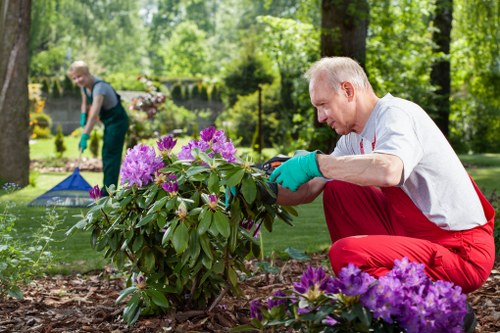
Choosing a local company for hedge cutting in Shortlands can make a real difference. Local work often means better understanding of the streets, garden styles, access concerns, and common hedge species found in the area. It also means the service can be adapted more easily to the practical realities of local properties, from compact front gardens to long rear boundaries and shared access routes.
Shortlands has a mix of older houses, modern family homes, and managed properties, and that variety affects how hedge work needs to be carried out. Some gardens have mature planting that requires careful handling. Others have newer hedging that needs formative pruning to establish the right shape early on. A local team is more likely to appreciate the details that matter, such as avoiding damage to neighbouring plants, working around narrow side passages, and planning around parking or limited access.
For commercial customers, local availability can also be important. Offices, care settings, schools, letting properties, small businesses, and communal grounds often need hedge maintenance carried out with minimal disruption. A nearby service can usually respond more flexibly to seasonal growth, boundary concerns, or a sudden need for a frontage tidy-up before visitors arrive.
Hedge cutting for different property types
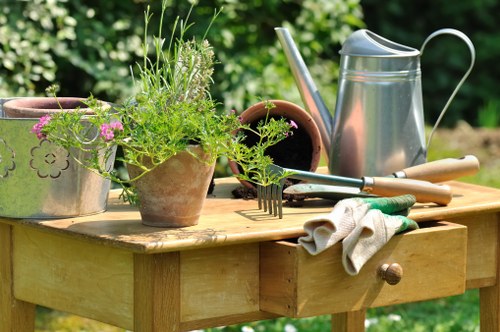
Not all hedge jobs are the same. In Shortlands, hedge maintenance may be needed for a wide range of property types, and each one has its own practical requirements. A neat front hedge outside a townhouse needs a different approach from a tall rear hedge along a boundary line or a series of shrubs on a commercial frontage. Understanding those differences helps the service feel more tailored and the result look better.
Residential customers often want a neat, attractive finish that improves the view from the road and keeps the garden manageable. That might mean reducing an overgrown privet hedge, shaping a laurel hedge, or bringing a mixed evergreen boundary back into line. For family gardens, another key consideration is usability. A hedge that blocks light, crowds a patio, or narrows a side path can make the outside space feel smaller than it really is.
Commercial and managed properties tend to need consistency, reliability, and a clean finish. Hedges around communal parking, entrances, or perimeter lines need to be trimmed so they do not create blind spots, block signage, or make the property look untidy. For landlords and property managers, regular hedge maintenance also helps avoid complaints from neighbours or tenants about overhanging growth or obstructed access.
Common hedge types we work on
Different hedges respond differently to cutting, and the right technique depends on the plant’s growth pattern and condition. Some hedges can be clipped fairly regularly to keep them formal and compact. Others need lighter, more selective trimming to avoid stressing the plant or leaving bare patches. A local hedge care service should be comfortable working with a range of hedging species commonly found in Shortlands gardens.
Examples of hedges that often benefit from professional trimming include:
- Privet hedges that need frequent shaping to stay dense
- Laurel hedges that can become heavy and wide if left too long
- Beech hedges that may need seasonal cutting to maintain form
- Yew hedges that suit a more formal, precise finish
- Holly hedges that need careful handling because of their leaves and density
- Mixed boundary hedges that require balancing across different plants
When a hedge has become mature and overgrown, it may need more than a cosmetic trim. Selective reduction, staged cutting, or phased reshaping may be the better option so the hedge can recover well. That is especially important if the hedge forms an important privacy screen or boundary line.
In some cases, hedge cutting is also linked with other garden maintenance such as shrub pruning, border tidy-up work, and clearance of dropped leaves or clippings. For customers who want the whole outdoor space to look cared for, combining these tasks can be a sensible way to keep the garden under control.
How the service works
Many customers want to know what happens when they book hedge cutting in Shortlands. The process is usually straightforward and designed to make life easy from the first enquiry through to completion. The aim is to understand what you need, plan the work properly, and leave the site neat once the cutting is done.
- Initial discussion: You explain the hedge type, approximate size, and what you want to achieve, such as shaping, reduction, or general tidying.
- Site assessment: The hedge is reviewed for access, height, thickness, surrounding planting, and any practical considerations such as fences, walls, or parking restrictions.
- Service planning: The cutting approach is decided based on the hedge’s condition and your preferred result.
- Work carried out: Trimming, cutting, shaping, and clearance are completed with care and attention to detail.
- Final tidy-up: Cuttings are gathered, edges are neatened, and the area is left ready to use.
This approach gives customers a clear idea of what to expect. It also helps ensure the work is done in a way that suits the property rather than forcing a one-size-fits-all solution.
If your hedge has not been maintained for a while, do not worry. Many hedges can be brought back into shape with the right method and a realistic plan for future upkeep.
Access, parking, and working around local properties
Practical access matters a lot in hedge cutting. In Shortlands, some homes have side access, some have narrow garden routes, and some are reached through shared pathways or driveway gaps. Larger hedges can also involve more debris than people expect, so it helps to have a team that plans ahead and works efficiently.
Parking can be another factor, particularly on busy residential streets or where a property sits close to neighbouring homes. A local hedge cutting service should take these realities into account before the work starts. That may mean bringing the right equipment in one visit, planning the work to reduce disruption, or choosing an approach that keeps paths and entrances as clear as possible while the job is underway.
For many customers, the biggest benefit of a professional service is simply that the hard work gets done properly without turning into a weekend-long project. Heavy clippings, awkward ladder work, and difficult hedge lines can be time-consuming for a homeowner. A trained team can complete the work more efficiently and with a better finish.
When is the best time for hedge cutting?
The right time for hedge cutting depends on the species, the look you want, and whether the hedge is mainly decorative, privacy-focused, or boundary-defining. Some hedges benefit from regular trimming during the growing season. Others need only a few well-timed cuts each year. Understanding the plant’s pattern matters because cutting too often, too hard, or at the wrong time can affect appearance and recovery.
For many Shortlands gardens, hedge work is often planned around periods when growth is active but manageable. Customers sometimes prefer to tidy hedges before summer gatherings, before property inspections, or before the darker months when a clean outline helps the garden feel sharper. Others book work after a hedge has finished most of its growth for the season and needs a final neatening before winter.
Helpful timing considerations
You may want to think about hedge maintenance when:
- The hedge is beginning to block light into the house or garden
- Growth is spilling onto the pavement, driveway, or a neighbour’s side
- The shape has become uneven after a long period without trimming
- You want the front of the property to look neat for visitors or tenants
- You are planning other garden work and want everything completed together
Regular maintenance is usually easier than occasional heavy cutting. Keeping on top of hedge growth often means a cleaner result, less disruption, and a healthier hedge over time.
Pricing factors for hedge cutting
Customers often ask what affects the cost of hedge cutting. Exact pricing depends on the hedge and the work involved, so it is best to request a quote based on your own property. However, there are common factors that influence the amount of time, labour, and equipment needed.
Typical pricing factors include:
- Height and length of the hedge
- Thickness and density of growth
- Whether the hedge needs shaping or reduction
- Access to the hedge from both sides or only one side
- How much clearance and disposal work is needed
- Whether ladders, long-reach equipment, or additional care is required
- Any complications from slopes, boundaries, or nearby structures
Because every garden is different, an accurate quote usually comes from understanding the hedge in context. That is particularly true for larger or more established hedges, where previous neglect can make the work more involved than expected. Requesting a free quote is the easiest way to understand what is needed for your property.
Preparation checklist before your hedge cut
A little preparation can make hedge cutting smoother and help the visit run more efficiently. If you are arranging hedge cutting in Shortlands, there are a few simple things you can do in advance to make access and finishing easier. These steps are not always necessary, but they can help if the hedge sits near parked vehicles, garden furniture, fragile plants, or pet areas.
Before the visit
- Move cars away from the hedge if possible
- Remove garden furniture, ornaments, or plant pots near the work area
- Keep pets indoors or away from the cutting area
- Check whether gates or side access points need to be opened
- Let the team know about any awkward sections, loose fencing, or delicate planting
Helpful on the day
- Make sure access paths are clear
- Unlock side gates if needed
- Point out any areas where you want extra care
- Discuss whether you want cuttings removed or left tidy for your own disposal
These small steps can save time and reduce the risk of accidental damage. They also help the team focus fully on producing a neat, accurate cut.
Why regular hedge maintenance is worth it
It is easy to leave a hedge alone until it starts becoming a problem. But regular hedge maintenance usually saves time and effort in the long run. When hedges are trimmed before they get too large, the work is simpler and the hedge is easier to shape. The result is also often more attractive, because the structure remains balanced instead of being forced back into shape after a long delay.
Regular hedge cutting can help with:
- Keeping boundaries neat and manageable
- Maintaining privacy without letting hedges become overpowering
- Reducing obstruction to windows, paths, and driveways
- Improving light and the sense of space in a garden
- Protecting the overall appearance of the property
- Making seasonal garden maintenance less stressful
For owners of rental homes and managed properties, regular hedge work can also help create a more consistent exterior standard. For homeowners, it often means less pressure at the point when the hedge starts to dominate the garden. Either way, it is a simple service that can have a noticeable impact.
Areas covered around Shortlands
Hedge cutting needs often arise not just in Shortlands itself but across nearby neighbourhoods and surrounding parts of the local area. Customers may live in nearby residential streets, tucked-away cul-de-sacs, or properties that border shared green spaces and connecting roads. A local service is well placed to help with regular maintenance and one-off hedge reduction work across the wider area.
Areas commonly associated with hedge maintenance visits can include nearby parts of Bromley, Beckenham, and other surrounding residential zones where gardens and boundary hedges are a key feature of the property. The important thing is not just location, but whether the service can get to you easily, assess the hedge properly, and work in a way that fits the property layout.
If you are unsure whether your property falls within the usual service area, it is worth making an enquiry. Local teams are often able to advise quickly on availability, access, and the most practical way to handle the work.
Choosing the right hedge cutting service
Not every hedge trimming job requires the same level of effort, and not every customer wants the same result. Some want a precise formal shape, while others just want an overgrown hedge restored to a manageable size. Choosing the right service means looking for a team that listens to what you need and understands the property rather than rushing to complete the job as quickly as possible.
Things to look for in a hedge cutting service include:
- Clear discussion of your goals before work begins
- Experience with different hedge types and growth levels
- Attention to detail around borders, walls, fences, and paving
- Good planning for access and clean-up
- A practical, courteous approach to residential and commercial sites
- Willingness to advise on maintenance timing and future care
Local knowledge matters because it helps the service fit the property and the surrounding area. In a place like Shortlands, where neat gardens and well-kept boundaries make such a visible difference, that local understanding is valuable.
Frequently asked questions
How often should a hedge be cut?
It depends on the hedge type and how formal you want the finish to be. Some hedges need regular trimming during the growing season, while others only need a few cuts each year. A local hedge specialist can advise based on the species and condition of your hedge.
Can you cut a hedge that is very overgrown?
Yes, in many cases. Overgrown hedges can often be reduced and reshaped, although very large or neglected hedges may need staged work to protect the plant and achieve a better result. The best method depends on the hedge’s health and structure.
Will hedge cutting leave a mess?
A proper service should include a tidy finish. Cuttings are usually collected and removed or left in an agreed state for disposal. The aim is for the garden, frontage, or boundary area to look neat when the work is complete.
Do you work on both front and rear hedges?
Yes, hedge cutting can be carried out on front gardens, rear boundaries, side access hedges, and hedges around driveways or commercial frontages. The method is adjusted to suit the location and access.
What if my hedge borders a neighbour’s property?
That is common in Shortlands and nearby areas. The work can be planned carefully so the hedge is trimmed neatly while respecting boundaries and neighbouring planting. It is often helpful to mention any shared access or concerns before the visit.
Can I book a one-off hedge trim?
Yes. Many customers ask for a one-off tidy-up, especially when a hedge has got ahead of them. Others prefer regular maintenance. Both options are common, and the best choice depends on how quickly the hedge grows and how neat you want it to stay.
Book hedge cutting in Shortlands
If your hedge is starting to look untidy, blocking light, or becoming difficult to manage, now is a good time to get it under control. A well-cut hedge can instantly improve the appearance and usability of your property, whether it is a family home, a rental garden, a business frontage, or a shared boundary line. With the right care, your hedge can stay healthy, balanced, and much easier to maintain throughout the year.
For homeowners, landlords, and local businesses, professional hedge cutting in Shortlands offers a practical way to keep outdoor spaces neat and presentable. It can remove the stress of awkward cutting, heavy clippings, and difficult access, while giving you a result that is clean and consistent. If you want a trim, a reduction, or a regular maintenance schedule, a local service can provide the help you need.
Request a free quote today and arrange hedge cutting that suits your property, your schedule, and your preferred finish. Book your service now if you want a tidy boundary, a sharper front garden, or a more manageable hedge before it becomes a bigger job.